 English


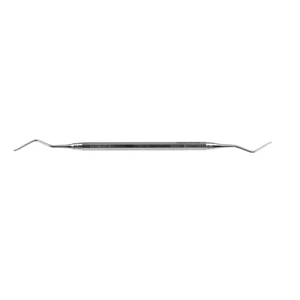
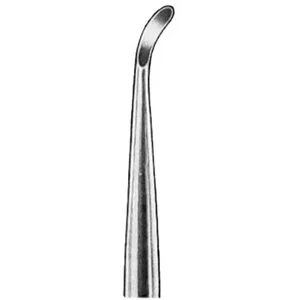
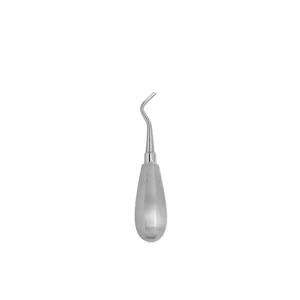
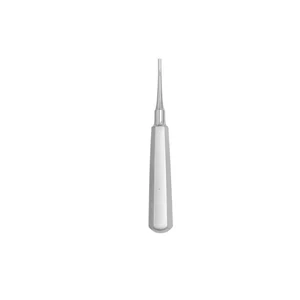
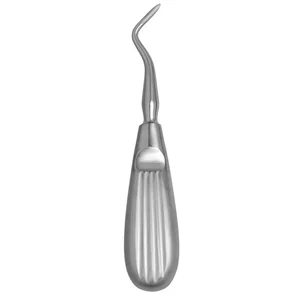
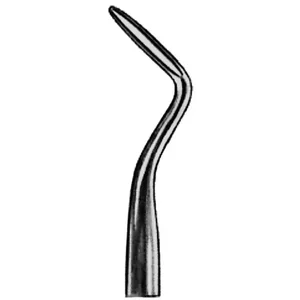
Orthopedic Periosteal Elevator 3.0 mm Tip
- Designed as a root elevator for direct, focused elevation tasks.
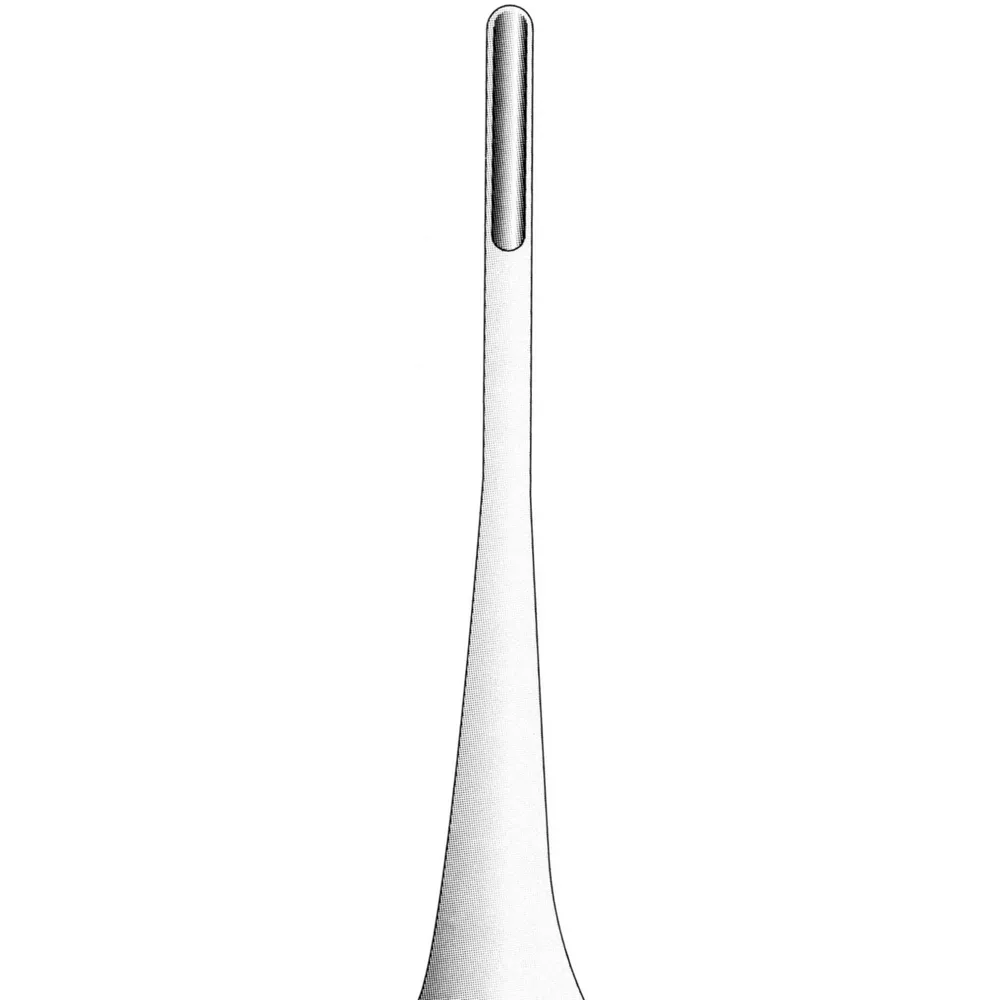
- Its specified 3mm dimension supports a compact, focused instrument profile.
- Compact proportions support access in tighter working areas around roots.
- Root-focused design supports straightforward handling throughout routine instrument workflow.
- The focused format helps maintain deliberate positioning during elevation.
- A defined 3mm size supports consistent selection for focused access needs.
SKU: 007010238
Categories: Root Elevators - Long Handle
Focused Root Elevation for Deliberate Instrument Handling
Root Elevator 3s 3mm is an elevator instrument intended for controlled elevation of a root during instrument-assisted removal workflows. Its 3 mm dimension provides a clearly defined working size for teams selecting an elevator to match access and handling requirements. The focused form supports deliberate placement at the root interface and helps organize a measured approach when space and visibility matter. By identifying the instrument’s size directly, the Root Elevator 3s 3mm can simplify setup, selection, and handoff within a structured clinical workflow. Use it according to the operator’s established technique and applicable facility procedures.
Use Cases
- Elevating a root during instrument-assisted removal workflows.
- Using a 3 mm elevator when a defined working dimension is appropriate for the task.
- Supporting organized instrument selection and setup for root-elevation procedures.
- Providing a dedicated elevator for deliberate placement and controlled handling at the root interface.
Specifications
Care & Handling
- Clean the instrument after use in accordance with applicable facility protocols and instructions for use.
- Inspect the working end before use for visible damage, deformation, or contamination.
- Handle the elevator carefully to protect its working surfaces and maintain controlled instrument use.
- Store the instrument in a clean, protected manner consistent with facility procedures.
Specifications
| Width | 3 mm |
| Material | AISI 420 German Stainless Steel |
General use; follow facility protocols.
Technical Specifications
| Length (cm) | 7.62 cm |
|---|---|
| Material | AISI 420 German Stainless Steel |
| Overall Length | 7.62 cm (3") |
| Width | 3 mm |
Part of 11-Piece Dental Root Elevators for Tooth Extraction Procedures
This set contains 11 instruments carefully selected for the procedure:
| Overall Length | 7.62 cm (3") |
| Width | 3 mm |
| Length (cm) | 7.62 cm |
| Material | AISI 420 German Stainless Steel |
| Tip Type | Standard |
Rating breakdown
Write Your Review
Product Reviews 2
Lucas Bennett
Procurement ManagerI’m pleased with this 3mm elevator for our dental surgery supplies.
Malcolm Greer
Perioperative NurseI find this 3mm elevator practical for routine dental surgery work, and it fits our perioperative instrument selection well.